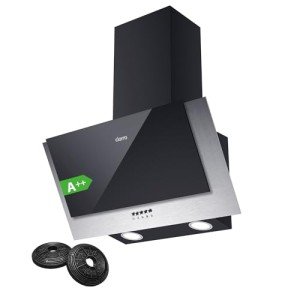
Cooker Hood Extractor Fans
Add a review FollowOverview
-
Founded Date 10 December 1948
-
Sectors Construction
-
Posted Jobs 0
-
Viewed 10
Company Description
Is Modern Cooker Hood As Important As Everyone Says?
The Modern Cooker Hood: An Essential Kitchen Appliance
In current years, the modern kitchen has actually progressed to integrate not only advanced aesthetic appeals but also advanced innovation that improves performance. Among these important appliances is the cooker hood, a gadget that plays a crucial role in preserving air quality, eliminating odors, and enhancing general cooking experiences. This post will dive into the various aspects of modern cooker hoods, consisting of types, functions, advantages, installation considerations, and maintenance tips.
What is a Cooker Hood?
A cooker hood, or range hood, is a kitchen home appliance set up above the cooking system to ventilate the air by eliminating smoke, steam, smells, and air-borne grease. By doing so, it develops a comfy cooking environment and assists maintain the cleanliness and hygiene of the kitchen.
Kinds Of Cooker Hoods
Modern cooker hoods can be found in numerous design and styles, permitting property owners to select one that suits their kitchen layout and personal choices. Here are the most common types:
| Type | Description | Benefits |
|---|---|---|
| Wall-mounted | Repaired to the wall above the stove; extensively utilized. | Easy setup, visual versatility. |
| Under-cabinet | Mounted beneath kitchen cabinets for a discreet appearance. | Space-saving style, inexpensive alternative. |
| Island | Suspended from the ceiling over a kitchen island. | Stylish focal point, suitable for open kitchens. |
| Downdraft | Built into the cooktop and rises when needed, retracting after use. | Space-efficient, modern aesthetic. |
| Professional | Created for high-performance cooking, often more effective. | Perfect for major cooks, high extraction rates. |
Secret Features to Consider
When picking a modern cooker hood, there are several functions to take into consideration:
-
Extraction Method: Cooker hoods generally use one of two methods to ventilate: ducted or recirculating. Ducted hoods vent air outside, while recirculating hoods filter air and return it to the kitchen.
-
CFM Rating: The CFM (Cubic Feet per Minute) ranking determines the hood’s ventilation power. A higher CFM shows more effective suction, making it more effective in removing smoke and odors.
-
Sound Level: Consider the noise level (measured in sones) of the hood, specifically if the kitchen belongs to an open-plan home. Modern models frequently include quieter operation for improved convenience.
-
Lighting: Built-in lighting not only illuminates the cooking area but likewise enhances security. LED lights are a popular option, providing energy performance and durability.
-
Filters: Many cooker hoods feature washable aluminum or stainless-steel filters, which are easy to keep. Some high-end models also include charcoal filters for smell decrease.
Benefits of Using a Cooker Hood
Integrating a cooker hood into a kitchen supplies numerous benefits:
-
Improved Air Quality: By filtering out smoke, steam, and odors, a cooker hood enhances indoor air quality, making the kitchen more enjoyable to operate in.
-
Prevention of Grease Build-up: Cooker hoods effectively capture airborne grease, minimizing accumulation on surfaces and appliances, thus conserving effort and time on cleaning.
-
Enhanced Cooking Experience: A well-ventilated kitchen can boost the total cooking experience, enabling better focus and pleasure.
-
Energy Efficiency: Many modern cooker hoods feature energy-efficient features that reduce power consumption while making sure efficient ventilation.
-
Visual Value: With a wide range of design and styles, cooker hoods can be a lovely centerpiece in a kitchen, adding visual attract the total style.
Installation Considerations
Before installing a cooker hood, it’s important to consider the following:
-
Kitchen Layout: The position of the cooking unit, cabinets, and ceiling height will affect the type of hood ideal for the area.
-
Ducting: For ducted hoods, sufficient ducting should be prepared for proper air ventilation. This may include wall or ceiling work and perhaps modifying existing structures.
-
Power Supply: Ensure that there is a source of power near the installation site, especially for models with integrated lighting and other electrical functions.
Maintenance Tips
To make sure ideal efficiency and longevity of a cooker hood, routine maintenance is essential. Here are some tips:
-
Clean Filters Regularly: Depending on frequency of usage, wash aluminum or stainless-steel filters monthly or more. Charcoal filters must be replaced as suggested by the maker.
-
Clean Down the Exterior: Keep the hood tidy by wiping down the outside with a soft fabric and mild cleaning agent to avoid grease accumulation.
-
Examine the Ductwork: If utilizing a ducted model, ensure to occasionally check the ductwork for blockages or leakages, which can hinder performance.
-
Check the Light Bulbs: Replace any burnt-out bulbs quickly to make sure consistent presence while cooking.
-
Service the Moto: Consider having the hood’s motor inspected by a professional if sound levels increase considerably or if the extraction power appears reduced.
Regularly Asked Questions
1. Do I truly require a cooker hood?
Yes, a cooker hood is vital for keeping air quality, reducing grease build-up, and ensuring a pleasant cooking environment.
2. How do I understand which type of cooker hood to pick?
Consider your kitchen design, the kind of cooking you do, and your individual style. Each type of hood has its advantages and can accommodate various area constraints.
3. How frequently should I clean my cooker hood?
It’s advisable to clean the filters every one to two months and the exterior routinely to keep its look and functionality.
4. Can I install a cooker hood myself?
While some house owners may pick to set up a cooker hood themselves, professional installation is suggested for ducted designs due to the complexity involved.
5. What’s the difference in between ducted and recirculating cooker hoods?
Ducted hoods vent air outside, while recirculating hoods cleanse the air with filters and launch it back into the kitchen.
In conclusion, modern cooker hoods not only represent a considerable improvement in kitchen innovation however likewise boost the overall cooking experience. By choosing the right design, comprehending essential functions, and sticking to correct upkeep procedures, property owners can enjoy a cleaner and more pleasant kitchen environment.