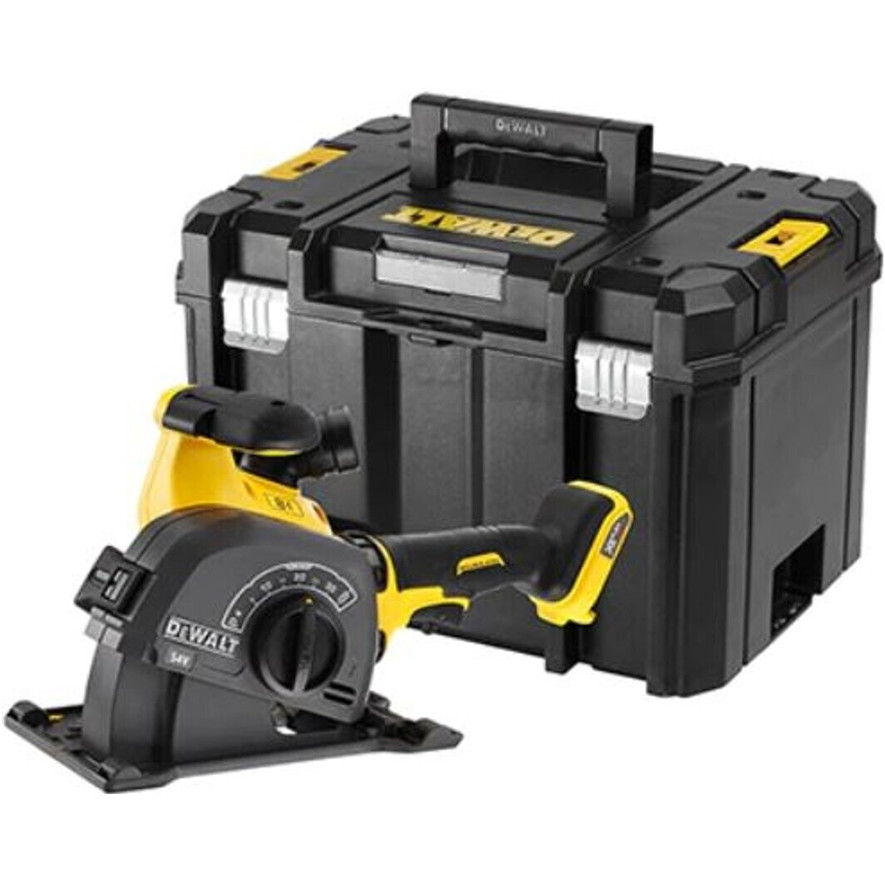
Fräsmaschinen Für Jedes Budget Kaufen
Add a review FollowOverview
-
Founded Date 14 June 1988
-
Sectors Automotive Jobs
-
Posted Jobs 0
-
Viewed 3
Company Description
A Step-By Step Guide To Selecting The Right Heavy-Duty Milling Machines
Heavy-Duty Milling Machines: An In-Depth Overview
Milling machines are necessary tools in machining, playing a critical role in various industries such as automotive, aerospace, and manufacturing. Among the different kinds of milling machines, heavy-duty milling machines stick out due to their robust building and capability to manage large and complicated parts. This blog post explores the characteristics, benefits, applications, and upkeep of heavy-duty milling machines, supplying important insights for specialists and enthusiasts alike.
What Are Heavy-Duty Milling Machines?
Heavy-duty milling machines are engineered to perform demanding machining operations on larger, tougher materials. Unlike basic milling machines, they offer higher rigidity, stability, and torque, enabling them to operate effectively with high material elimination rates and complicated geometries.
Key Features of Heavy-Duty Milling Machines
| Feature | Description |
|---|---|
| Building and construction Quality | Made from high-quality cast iron or steel for enhanced stability and reduced vibrations. |
| Powerful Motors | Geared up with high-torque motors that can manage big cutting depths and speeds. |
| Large Working Area | Offers considerable table area to accommodate big workpieces and numerous setups. |
| Precision Controls | Integrates sophisticated CNC (Computer Numerical Control) options for improved accuracy. |
| Robust Tooling | Can use a wide array of tooling options, consisting of heavy-duty end mills and face mills. |
Advantages of Heavy-Duty Milling Machines
Making use of heavy-duty milling machines supplies numerous benefits, especially in industrial settings. Below are a few of the most noteworthy benefits:
-
Enhanced Efficiency
Heavy-duty milling machines assist in faster production cycles due to their higher product removal rates, making them ideal for high-volume production. -
Versatility
They can deal with numerous products, including aluminum, steel, and even titanium, accommodating varied production requires across several markets. -
Precision and Accuracy
With advanced controls and stiff structures, these machines deliver greater precision, guaranteeing compliance with tight tolerances. -
Sturdiness
Developed to last, heavy-duty milling machines often have longer life expectancies than their lighter counterparts, minimizing replacement costs. -
Reduced Downtime
Their robust style and dependability result in less breakdowns and lower maintenance requirements, enhancing efficiency.
Applications of Heavy-Duty Milling Machines
Heavy-duty milling machines excel in various applications, consisting of:
-
Aerospace Component Manufacturing
Heavy-duty milling is utilized for machining crucial components, such as engine cases and structural elements, needing high precision and adherence to safety requirements. -
Automotive Parts Production
Significant automotive manufacturers count on heavy-duty milling machines for producing engine blocks, transmission housings, and suspension elements. -
Tool and Die Making
The production of molds and passes away, including those used in metal stamping and injection molding, can benefit from the exact abilities of these machines. -
Heavy Equipment Fabrication
Industries producing heavy machinery, such as building and construction and mining, use heavy-duty milling machines for fabricating parts like chassis and frames.
Comparison Table of Heavy-Duty Milling Machines
| Model | Max Table Size | Motor Power | CNC Capability | Ideal for |
|---|---|---|---|---|
| XYZ 1000 | 2000 x 1000 mm | 25 HP | Yes | Aerospace & & Automotive |
| ABC 600 | 1500 x 800 mm | 20 HP | Yes | Tool and Die Making |
| QRS 5000 | 3000 x 1500 mm | 50 HP | Yes | Heavy Equipment Fabrication |
| MNO 300 | 1800 x 900 mm | 18 HP | No | General Manufacturing |
Maintenance Tips for Heavy-Duty Milling Machines
Correct maintenance of heavy-duty milling machines is important to make sure longevity and efficiency. Here are important upkeep ideas to think about:
-
Regular Cleaning
Keep the machine clean by getting rid of chips, dirt, and particles after each use to prevent wear and blocking. -
Lubrication
Routinely oil moving parts according to the maker’s specifications to reduce friction and wear. -
Calibration
Often examine and adjust the machine to guarantee it continues to operate within the required tolerances. -
Tool Inspection
Regularly check cutting tools for wear and replace them as essential. Dull tools can lead to increased wear on the machine and decreased production quality. -
Set up Servicing
Arrange professional maintenance at routine intervals, consisting of thorough checks and Fräsmaschinen Für Werkstätten Kaufen component replacements as required.
FAQ
What is the difference in between a heavy-duty milling machine and a basic milling machine?
Heavy-duty milling machines are created to manage bigger, heavier workpieces with higher stability, precision, and power than basic milling machines.
What markets benefit most from heavy-duty milling machines?
Industries such as aerospace, automobile, production, and heavy devices fabrication typically use heavy-duty milling machines for precision machining of big components.
How can one enhance the accuracy of a heavy-duty milling machine?
Regular upkeep, proper tool selection, and machine calibration contribute substantially to enhancing the precision of heavy-duty milling machines.
What are the expenses related to heavy-duty milling machines?
Expenses can vary commonly based on the brand, features, and specs. Typically, heavy-duty milling machines can vary from tens of thousands to a number of hundred thousand dollars.
How essential is operator training for heavy-duty milling machines?
Operator training is vital to take full advantage of the machine’s capacity, ensure security, and keep precision in machining operations.
Heavy-duty milling machines act as indispensable tools in manufacturing industries that require robust and exact machining abilities. Their innovative functions and ability to deal with big and complicated elements make them ideal for various applications. By comprehending the advantages and keeping these machines appropriately, makers can improve productivity and attain consistent quality in their projects. Whether in aerospace, vehicle, or heavy equipment manufacturing, purchasing a heavy-duty milling machine could greatly benefit operations and assist in growth in the highly competitive machining industry.